Industrial fire safety systems rely heavily on sophisticated detection equipment to prevent catastrophic incidents and protect valuable assets. Among the most critical components in any comprehensive fire protection strategy, flame detection technology serves as the first line of defense against potential fire hazards. Regular maintenance and inspection protocols ensure these sensitive devices maintain peak performance when emergencies arise. Understanding the importance of systematic flame detector maintenance can mean the difference between successful fire suppression and devastating property damage. Professional facility managers and safety engineers recognize that proactive inspection schedules significantly reduce false alarms while enhancing overall system reliability.
Modern flame detection systems operate through multiple sensing technologies that identify specific wavelengths of light emitted during combustion processes. These sophisticated devices analyze infrared and ultraviolet radiation patterns to distinguish between actual flames and potential false alarm sources. Advanced models incorporate dual-spectrum analysis capabilities that compare multiple wavelength ranges simultaneously for enhanced accuracy. The detection process occurs within milliseconds, enabling rapid response times critical for effective fire suppression system activation.
Optical sensors within flame detection equipment must maintain precise calibration to function correctly across various environmental conditions. Temperature fluctuations, humidity levels, and atmospheric contaminants can affect sensor sensitivity and response characteristics. Regular inspection procedures verify that optical components remain clean and properly aligned for optimal performance. Professional technicians use specialized testing equipment to validate sensor accuracy and ensure compliance with industry safety standards.
Industrial environments present numerous challenges that can compromise flame detector performance over extended periods. Dust accumulation on optical surfaces reduces sensitivity and may cause delayed response times during actual fire events. Chemical vapors and corrosive substances can damage sensitive electronic components and affect long-term reliability. Vibration from heavy machinery or equipment operation may cause mechanical misalignment that impacts detection accuracy.
Extreme temperature variations common in manufacturing facilities can affect electronic components and sensor calibration parameters. Humidity levels exceeding recommended specifications may cause condensation issues that interfere with optical detection capabilities. Regular inspection protocols address these environmental factors through systematic cleaning procedures and component verification processes that maintain optimal operating conditions.
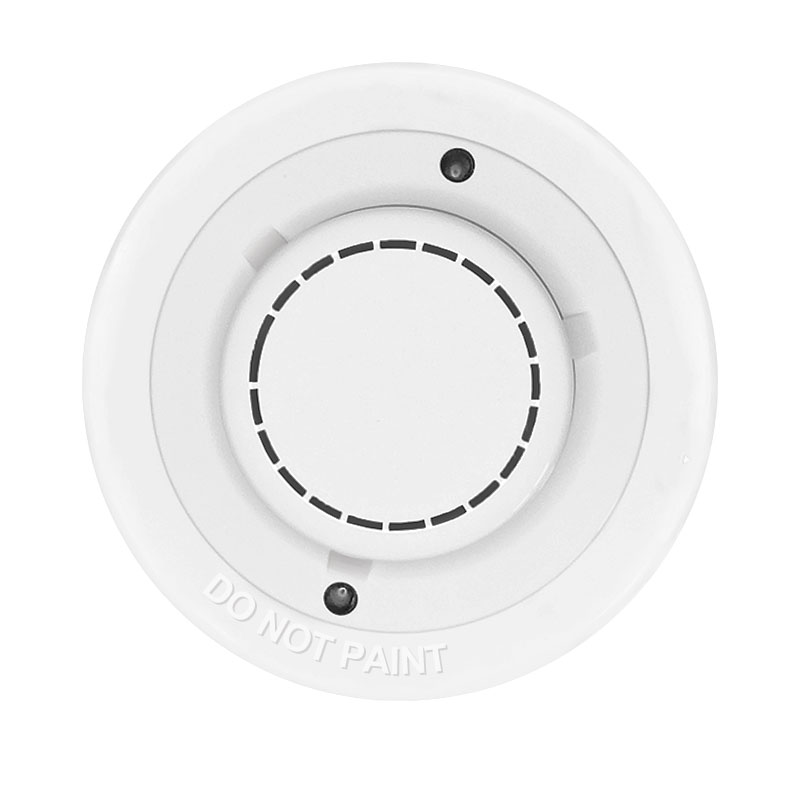
The optical detection system represents the most critical component requiring regular inspection and maintenance attention. Lens surfaces must remain completely free from dust, debris, or contamination that could obstruct incoming radiation from potential fire sources. Professional cleaning procedures utilize specialized materials and techniques designed specifically for sensitive optical equipment. Inspection protocols include verification of proper lens alignment and assessment of any physical damage that might compromise detection capabilities.
Internal optical components require periodic examination to ensure continued accuracy and reliability. Specialized test equipment generates calibrated radiation sources that verify sensor response characteristics across specified wavelength ranges. Technicians document baseline measurements during initial installation to establish reference points for future comparison. Deviation from established parameters indicates potential component degradation requiring immediate attention or replacement.
Electronic control circuits within flame detector systems require comprehensive testing to verify proper signal processing and output relay functions. Circuit board components may experience degradation due to environmental stress, temperature cycling, or normal wear patterns. Inspection procedures include voltage measurement verification, signal integrity testing, and relay contact examination. Professional technicians utilize diagnostic equipment specifically designed for fire detection system analysis.
Power supply stability directly affects detector performance and must be verified during routine inspection procedures. Voltage fluctuations or inadequate power delivery can cause erratic behavior or complete system failure during critical situations. Battery backup systems require load testing and replacement scheduling based on manufacturer specifications. Documentation of electrical measurements provides valuable trend analysis data for predictive maintenance planning.
Fire safety codes and industry standards establish minimum inspection frequency requirements for flame detection equipment based on application risk levels and environmental conditions. High-risk industrial facilities typically require monthly visual inspections combined with quarterly functional testing procedures. Standard commercial applications may utilize semi-annual inspection schedules with annual comprehensive system testing. Regulatory compliance documentation must demonstrate adherence to established inspection protocols and record-keeping requirements.
Insurance carriers often specify additional inspection requirements beyond minimum code compliance standards to maintain coverage eligibility. These enhanced protocols may include more frequent testing intervals or specialized diagnostic procedures. Professional fire protection service providers understand these varying requirements and develop customized maintenance programs that satisfy all applicable standards. Proper documentation ensures compliance verification during insurance audits or regulatory inspections.
Facility-specific risk assessment determines appropriate inspection frequency based on unique operational characteristics and potential fire hazards. High-temperature processes, flammable material handling, or critical equipment protection may require enhanced monitoring and inspection schedules. Environmental factors such as dust levels, chemical exposure, or vibration conditions influence maintenance requirements. Professional assessment considers all relevant factors to establish optimal inspection intervals that balance safety requirements with operational efficiency.
Predictive maintenance strategies utilize trend analysis and performance data to optimize inspection scheduling and resource allocation. Historical maintenance records identify patterns that indicate optimal intervention timing before component failure occurs. Advanced monitoring systems provide real-time performance data that enables condition-based maintenance approaches. This sophisticated methodology reduces unnecessary maintenance costs while ensuring maximum system reliability and safety protection.
Optical contamination represents the most frequent issue discovered during routine flame detector inspections in industrial environments. Airborne particles, manufacturing residues, and chemical deposits gradually accumulate on lens surfaces and reduce detection sensitivity. Improper cleaning techniques may cause permanent damage to delicate optical coatings designed for specific wavelength transmission characteristics. Professional maintenance procedures utilize appropriate cleaning materials and methods that preserve optical performance while removing contamination.
Internal contamination may occur through inadequate enclosure sealing or component aging that allows environmental intrusion. Moisture infiltration can cause condensation formation on internal optical surfaces that severely impacts detection capabilities. Corrosive gases may attack metal components and create deposits that interfere with proper operation. Regular inspection identifies these issues before they compromise system effectiveness during actual fire emergencies.
Electronic component aging and environmental stress can cause gradual calibration drift that reduces flame detector accuracy over time. Temperature cycling, humidity exposure, and electrical stress contribute to component parameter changes that affect sensor sensitivity. Regular calibration verification using certified test equipment identifies drift conditions before they reach unacceptable levels. Professional maintenance programs include calibration adjustment procedures that restore optimal performance characteristics.
False alarm incidents often result from calibration drift that causes oversensitive response to normal environmental conditions. Conversely, reduced sensitivity may delay response during actual fire events and compromise safety protection effectiveness. Systematic calibration verification procedures document baseline performance and track changes over time. This data enables predictive maintenance scheduling and component replacement before failures occur.
Comprehensive record-keeping forms the foundation of effective flame detector maintenance programs and regulatory compliance verification. Inspection reports must document specific procedures performed, test results obtained, and any deficiencies identified during maintenance activities. Standardized forms ensure consistent data collection and enable trend analysis for predictive maintenance planning. Digital record-keeping systems provide efficient storage, retrieval, and analysis capabilities for large-scale facilities with multiple detector installations.
Maintenance history documentation enables warranty claim processing and provides valuable information for insurance carrier reviews. Component replacement records track equipment lifecycle costs and support budget planning for future maintenance requirements. Professional service providers utilize sophisticated database systems that integrate maintenance data with inventory management and scheduling functions. This comprehensive approach ensures optimal resource utilization and maximum system reliability.
Proper flame detector maintenance requires specialized training and certification to ensure procedures are performed correctly and safely. Manufacturer-specific training programs provide detailed instruction on inspection procedures, calibration methods, and troubleshooting techniques. Industry certifications demonstrate technician competency and ensure adherence to established professional standards. Ongoing education requirements maintain current knowledge of evolving technology and updated safety protocols.
Safety protocols during maintenance activities protect personnel and prevent equipment damage during inspection procedures. Lock-out tag-out procedures ensure system isolation while maintaining fire protection coverage through temporary measures. Personal protective equipment requirements vary based on environmental hazards and specific maintenance procedures performed. Professional service organizations implement comprehensive safety management systems that protect technicians and facility personnel during maintenance activities.
Inspection frequency depends on environmental conditions and regulatory requirements, but most industrial applications require monthly visual checks and quarterly functional testing. High-risk environments or critical applications may need more frequent inspection schedules. Professional assessment of specific facility conditions determines optimal inspection intervals that balance safety requirements with operational efficiency.
Optical contamination from dust, debris, or chemical deposits represents the most frequent issue affecting flame detector performance. Calibration drift due to component aging and environmental stress also commonly impacts detection accuracy. Regular professional maintenance addresses these issues before they compromise system effectiveness during actual fire emergencies.
Basic visual inspections can be performed by trained facility personnel, but comprehensive testing and calibration procedures require certified technicians with specialized equipment. Professional maintenance ensures proper procedures are followed and regulatory compliance requirements are met. Insurance carriers may specify professional service requirements for coverage eligibility.
Inadequate maintenance can result in delayed fire detection response, increased false alarms, or complete system failure during emergencies. These conditions compromise facility safety and may violate regulatory compliance requirements. Insurance coverage may be affected by failure to maintain proper inspection and maintenance documentation. Professional maintenance programs prevent these issues through systematic inspection and preventive maintenance procedures.
Copyright © 2026 RISOL TECH LTD All Rights Reserved Privacy policy
 EN
EN